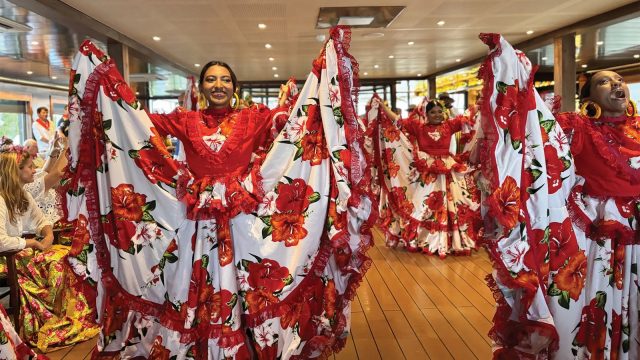
On the Magdalena River, AmaWaterways takes guests on a Colombian journey
2026-05-12
ONBOARD THE AMAMELODIA — If a river cruise is a floating hotel, then AmaWaterways’ AmaMelodia is a floating resort — a tropical one.
The AmaMelodia and its sister ship, the AmaMagdalena, cruise the Magdalena River in Colombia. AmaWaterways debuted Colombian river cruising a year ago, and this month it hosted a small group of media, giving journalists a chance to experience a product that no other river cruise line offers.
The ship interior is warm, with wooden accents and touches of forest green and rattan, evoking a boho feel and drawing influence from the greenery of the Magdalena’s shores. A curved double staircase in the lobby adds a luxurious touch, giving passengers the sense that they are in a Caribbean boutique hotel.
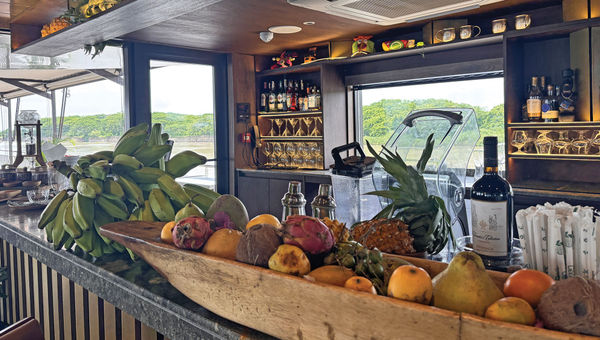
At the AmaMelodia’s bar, tropical fruit is decor and sustenance. Pineapples line the shelves. A giant batch of green plantains festoons the bar, as do local fruits that guests can try at their leisure — dragon fruit, coconut and, my favorite, mamoncillo.
Also known as Spanish lime, the mamoncillo is about the size of a strawberry. You bite down on the green skin to pierce it and peel it away, revealing a flesh that is light-peach in color with a balanced sweet-tart taste.
The ship’s top deck is a standout feature. The lounge was built with dark wood flooring and furnished with light-colored and emerald-green couches and navy upholstered chairs. A spacious deck has a covering to shield passengers from the unforgiving Colombian sun.
Protected by the shade, guests are on the deck around the clock, tanning on chairs, sipping a tropical drink or cooling off in the plunge pool.
In Europe, height restrictions limit what designers can do with a river ship’s top deck, as the ships must be able to pass underneath low bridges. On the AmaMelodia and AmaMagdalena, the outdoor covering is permanent, capturing a lovely and cooling breeze as the ship sails.
A taste of Colombia
Passengers have daily opportunities to dine on Colombian fare. One of the most fun examples was an exotic fruit, chocolate and rum tasting. We sipped three rums, savored seven fruits and indulged in four chocolates.
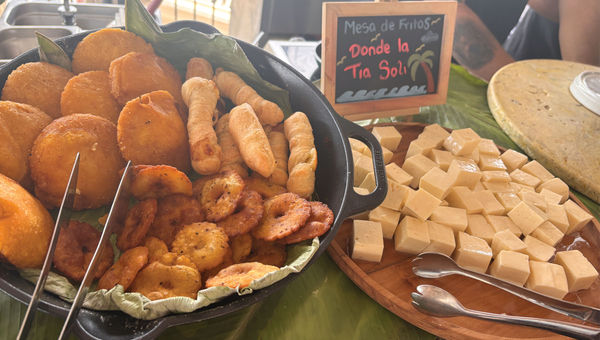
A Colombian breakfast was outstanding. We were greeted with pina coladas poured into pineapples, mountains of fresh fruit and trays of mesa de fritos — fried foods that would be served at a traditional Colombian street food stall. We devoured arepa de huevo and two types of fried plantains, one that was served with sour cream and aji, a Colombian salsa.
A nature lover’s paradise
There’s abundant wildlife and birdwatching opportunities on the cruise. According to BirdLife International, Colombia is home to the most bird species of any country in the world, making it an ornithophile’s playground.
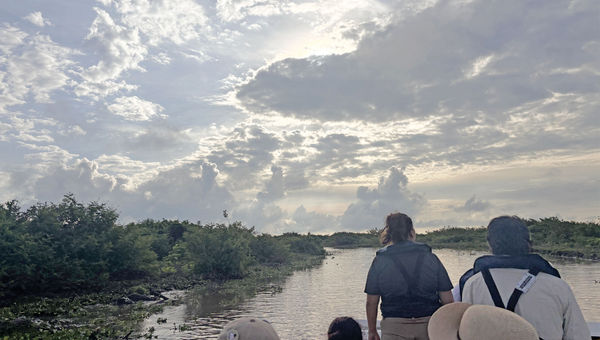
We had three opportunities to take small boats out on the river in search of wildlife. In each guestroom, AmaWaterways places a list and photos of the most common birds to spot along the Magadalena.
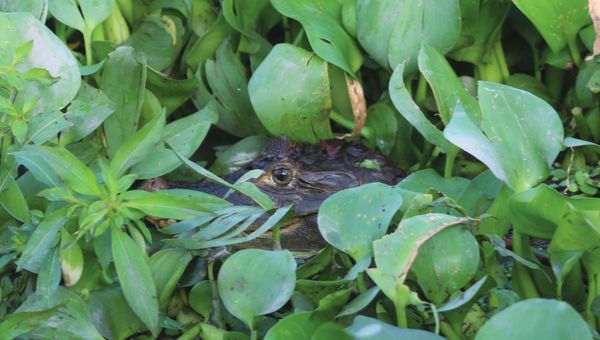
On our excursions, we saw a savanna hawk, herons, snowy egrets, parakeets, Amazon kingfishers and a wattled jacana. Other wildlife abounded: We spotted a caiman hiding in the marsh, water buffalo in the distance and iguanas lounging in the sunny leaves of the treetops.
Meeting the people
AmaWaterways offers the opportunity to meet with communities relatively untouched by tourism, enabling passengers to experience local customs and daily life while in the destination.
In Palenque, recognized as the first free town in the Americas that was founded in the early 17th century by runaway enslaved Africans, we listened to a drum performance and visited a traditional home made of mud.
We also met two maroon guards, who are volunteers that protect their community. They are in charge of security and carry a stick and whip, but no firearm. Most of the volunteer guards are also farmers.
While on a river expedition on a small boat, local fishermen met us on the water to demonstrate how they cast nets in the river and showed off their catch of the day.
Many fishermen don’t wear watches, instead estimating time by how long it takes to smoke cigarettes made of hand-rolled tobacco leaves. While in Santa Barbara de Pinto, a local man taught passengers how to roll the leaves into a cigar-like bundle, using a local plant as an adhesive to hold it all together.
The AmaMelodia and the AmaMagdalena have the Magdalena River to themselves; AmaWaterways is the only cruise operator on the river currently. The ships operate the same itineraries, sailing from Cartagena and Barranquilla. Guests can do an optional post-cruise extension in Panama.