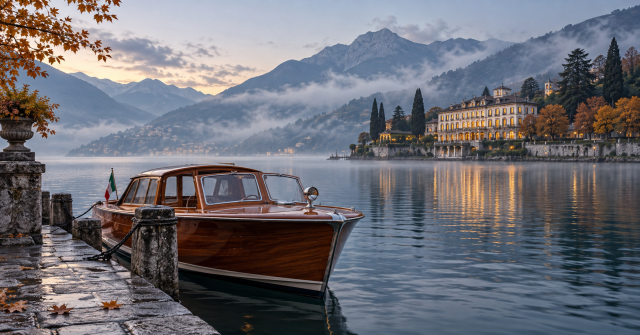
When the Hotel Is Open but the Season Is Over
2026-09-08 Richard Shane
Founder and CEO
The World’s Greatest Vacations
The shoulder-season details luxury travellers need to check before booking
Shoulder season has acquired an almost flawless reputation. The light is softer, the streets are quieter and a suite that was difficult to secure six weeks earlier may suddenly be available. In many destinations, September offers a more relaxed way to travel.
But there is a distinction sophisticated travellers learn to make: a hotel can be open without the full experience being in season.
The change is not always visible on the booking page. The sea-view restaurant may close several nights a week. The hotel’s launch might stop operating after a certain date. A spa can remain open while its outdoor treatment pavilion does not.
None of this makes shoulder season a poor choice. It makes advance verification more important.
“Open” Is Not a Description of Operations
Hotel websites naturally show the property at its most complete: every terrace dressed, every restaurant illuminated and every outdoor space ready for guests. Confirmation that the hotel is open answers only the narrowest version of the question.
Ask which facilities will operate on the specific dates of the stay. Changes can happen in stages: a beach club may close first, followed by a signature restaurant, scheduled boat service and, eventually, the hotel itself.
The useful answer is not “subject to weather” or “seasonal.” It is a current operating schedule. Request the planned days and hours for each restaurant, bar, spa, pool, beach facility and hotel-operated transport service. Contact the property directly. A central reservations office or booking platform may see room inventory without knowing that dinner has moved indoors.
Count Dining Options by Night, Not by Name
A hotel listing three restaurants does not necessarily offer three choices every evening. In quieter weeks, venues may rotate. A tasting restaurant may operate only from Thursday through Saturday, while room service becomes the only late option.
This is particularly important at secluded resorts, where leaving the property requires a drive or boat transfer. Before booking half board or a longer stay, ask for the dining schedule for each night. Confirm whether reservations are required, whether hotel guests receive priority and whether any venue will be unavailable for a wedding or private event.
Travellers with dietary restrictions should share them in advance. A reduced operation may still accommodate them beautifully, but with less variety across fewer menus.
The Pool May Be Open, but Not Inviting
“Pool open” says nothing about temperature. In early autumn, overnight cooling, less direct sun and wind can change how an outdoor pool feels. Some properties heat only one of several pools outside peak season.
Ask which pools are heated, the approximate maintained temperature and when they receive sun. A pool shaded by the hotel from mid-afternoon can feel very different in September than it did in July.
The same scrutiny applies to beach service. Confirm whether loungers, attendants, towels, changing facilities and food service will remain available. Access to the sand is not the same as an operating beach club.
Seasonal Transport Can Redraw the Itinerary
Some of the greatest shoulder-season surprises occur between places. Direct flights become less frequent, hotel boats switch to on-request transfers and ferries adopt reduced timetables.
Confirm the final connection of the day, what happens after a delayed arrival and whether the alternative requires a private car, an overnight stop or a substantial supplement.
This also affects excursions. A private cruise or mountain experience may be available only on certain days. Ask who will operate it, how frequently it is running and what the weather alternative will be.
Look Beyond the Hotel Gates
A polished resort can maintain its standards while the surrounding destination winds down. Restaurants shorten their weeks, boutiques close for annual leave and seasonal galleries reduce their hours. Local boat operators may stop running before hotels close.
Ask what will actually be open during the stay. A revealing question is: “If we stayed for five nights on these dates, where would you suggest we dine off property, and on which evenings?” A precise answer indicates that the destination still has rhythm. A very short list deserves attention.
Local calendars matter too. September can bring harvest events and a welcome return to everyday life. It can also bring roadworks and annual maintenance, which may influence which hotel offers the better stay.
Ask What Is Changing Inside the Property
Quieter periods are logical times for maintenance. Ask whether renovations or landscaping are planned and whether closed guest-room wings will change room locations, walking routes or proximity to construction.
Also ask about groups. A hotel with low occupancy can still feel busy if a wedding or corporate retreat controls the principal terrace, restaurant or bar. What matters is whether shared spaces remain available to independent guests.
Reconfirm While There Is Still Time to Adjust
Ten to fourteen days before arrival, ask the hotel to reconfirm the services that matter most. Keep the response in writing, particularly when a boat transfer, restaurant or heated pool influenced the choice of property.
If something will not be available, the answer is not always to cancel. It may be better to shorten the resort stay, reserve a private driver or move a special dinner to the one evening the restaurant opens.
Shoulder season is at its best when travellers are choosing its quieter character, not unknowingly accepting a reduced version of summer. The privilege is not merely finding the same place with fewer people. It is understanding precisely what the place becomes once the crowds have gone.