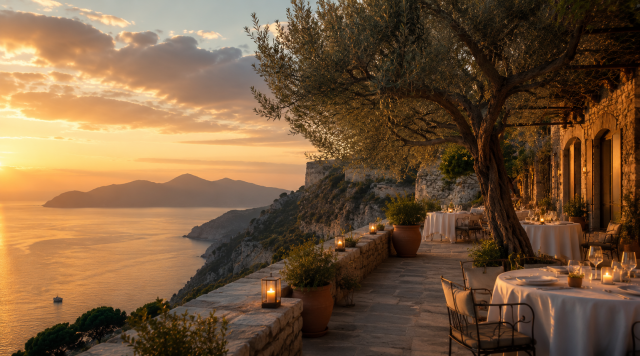
The New Luxury of Traveling Before the Crowds Arrive
2026-06-15 Richard Shane
Founder and CEO
The World’s Greatest Vacations
There is a particular quality to a place before it becomes busy.
A city square before the first tour groups arrive. A beach while the sand is still cool. A hotel terrace before breakfast service begins. A museum gallery in the first hour of the morning. A narrow old street with shutters still closed and delivery vans quietly passing through.
These moments have always existed, but they are becoming more valuable in luxury travel. For many travelers, the desire is no longer simply to visit remarkable places. It is to experience them with space, calm, and a sense of privacy that does not require complete isolation.
The new luxury is not always found in going farther. Sometimes it is found in arriving earlier.
The Appeal of the Uncrowded Hour
Before a destination fully wakes, it often reveals a more intimate character.
Famous places can feel entirely different at dawn. Architecture appears sharper in the soft light. Streets feel more local. Water is quieter. Even familiar landmarks regain some of their original presence when they are not surrounded by movement, noise, and photography.
This is why early access has become one of the most meaningful forms of luxury. It is not only about convenience. It changes the emotional tone of travel. A private museum visit before opening, a guided walk through a historic quarter before the day begins, or a boat departing before the harbor fills can transform an experience that might otherwise feel crowded and predictable.
The value lies in atmosphere. The traveler is not separated from the destination. They are allowed to encounter it before it becomes public for the day.
Privacy Without Complete Seclusion
Luxury travelers still want culture, restaurants, architecture, markets, coastlines, and historic places. The shift is that they increasingly want access without feeling absorbed into a crowd.
This does not always mean choosing remote destinations. It can mean changing the timing, the route, or the way a place is approached. A popular coastal town can feel peaceful from a small boat in the morning. A celebrated city can feel personal when explored through quiet residential streets rather than its busiest central squares. A famous archaeological site can feel almost meditative when visited at the edge of the day.
This kind of privacy is subtle. It is not about closing the world off. It is about creating enough space for the traveler to pay attention.
There is a difference between being alone and feeling unhurried. The second is often more valuable.
Why Timing Has Become Part of the Itinerary
In thoughtful luxury travel planning, timing is no longer a logistical detail. It is part of the design of the experience.
The same destination can feel ordinary or extraordinary depending on when it is encountered. A garden at midday may feel bright and busy. At opening hour, it can feel almost private. A historic street in the afternoon may feel like a passage between shops. In the early morning, it can reveal its proportions, colors, and daily rituals.
This is especially true in summer, when popular destinations can change dramatically over the course of a day. Morning offers clarity. Late afternoon offers warmth. Evening offers atmosphere. The middle of the day often belongs to everyone.
Travelers who understand this are building itineraries around the best hours, not only the best places.
The Rise of Shoulder-Season Thinking
Traveling before the crowds arrive also applies to the season itself.
For many luxury travelers, the edges of peak season are becoming more attractive than the peak itself. Late spring and early summer can offer long days, open hotels, blooming landscapes, and a lighter mood. Early autumn can bring warm seas, softer light, and restaurants that feel relaxed again.
This does not mean avoiding summer entirely. It means approaching it with more precision. The first weeks of June, the final days of August, or the quieter pockets between major holidays can offer a more elegant version of the same destination.
The appeal is not only practical. It is sensory. Less noise. Better service rhythm. More availability. Softer weather. A greater chance of experiencing a place as it actually feels, rather than as it performs under pressure.
Hotels That Understand the Value of Quiet
The best hotels are increasingly aware that quiet is not simply the absence of sound. It is a designed experience.
A well-positioned breakfast terrace, a private entrance to a beach path, an early morning spa appointment, a guide who knows when to avoid the obvious route, or a concierge who understands the rhythm of the city can all shape a more graceful stay.
Some hotels are particularly good at creating access to calm without removing guests from the destination. A city hotel with a hidden courtyard can offer retreat after a morning of exploration. A coastal resort with small boats can open up private coves before larger vessels appear. A countryside property can arrange market visits before the busiest hours, followed by lunch when the town begins to slow.
In these details, service becomes more than attentiveness. It becomes timing.
The Beauty of Seeing a Place Before It Performs
Many destinations now live partly through images. Travelers often arrive already familiar with the view, the facade, the famous beach, the restaurant terrace, or the hotel staircase. The challenge is finding a way to make the experience feel personal again.
Early travel moments help restore that feeling.
Before the crowds arrive, a destination is less aware of itself. Staff are setting tables. Shopkeepers are opening doors. Boats are being prepared. Streets are being cleaned. Locals are moving through their routines. The place feels less staged and more alive.
This can be more memorable than the polished version presented later in the day. It offers a glimpse of the destination before it becomes an attraction.
For travelers seeking depth, these moments matter. They create the sense that one has not only seen a place, but briefly entered its rhythm.
A More Refined Way to Travel Well
The luxury of arriving before the crowds is not about exclusivity in the obvious sense. It is about attention.
With fewer distractions, travelers notice more. The sound of footsteps in a quiet arcade. The morning light on stone. The scent of bread from an open bakery door. The silence of a gallery before voices fill the room. The first boat moving across still water.
These are not extravagant experiences, but they are rare in a world where many destinations feel constantly visible and constantly occupied.
Traveling well increasingly means knowing how to find these pockets of quiet. It means choosing the early train, the first museum entry, the private guide at dawn, the hotel with the right access, or the season that offers beauty without intensity.
The reward is a journey that feels calmer, more personal, and more memorable.
There will always be famous places worth seeing. The difference now is that the most thoughtful travelers are less interested in seeing them at the same time as everyone else.
They want the stillness before the day begins. They want the view before it becomes crowded. They want the rare feeling of being present before the destination performs for the world.