The Safari Details That Matter More Than the Lodge Name
2026-10-19 Richard Shane
Founder and CEO
The World’s Greatest Vacations
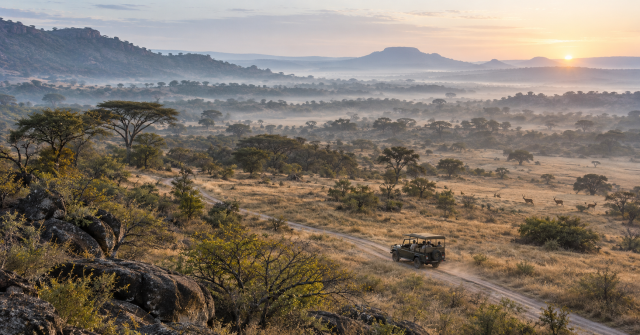
A celebrated lodge can be an excellent reason to plan a safari, but it does not determine the experience on its own. Two properties with equally beautiful suites, accomplished kitchens and polished service can deliver very different days in the bush. The difference often lies in details that receive far less attention than the lodge itself: land-use rules, vehicle arrangements, guide continuity, flight schedules and the time required to move between them.
These are the elements experienced safari travellers examine before confirming an itinerary. They influence how wildlife is encountered, how much of the day is spent in transit and whether the journey feels immersive or fragmented.
Look Beyond the Name of the Reserve
A lodge may be described as being “in” or “near” a famous reserve, yet its exact location can shape every game drive. Ask whether the property sits inside a national park, on a private concession, in a conservancy or on community-managed land. The distinction can affect operating hours, vehicle density and which activities are permitted.
In some private areas, guides may be able to drive off established tracks, remain out after dark or offer guided walks. Public parks may require vehicles to stay on designated roads and enter or leave through gates at set times. Neither model is automatically better. The important question is whether the access and rules suit the experience the traveller expects.
Ask How Many Vehicles May Approach a Sighting
A private vehicle does not guarantee a private wildlife encounter. Several vehicles may converge on the same sighting, particularly in busy areas or during highly anticipated events. Well-managed concessions and camps often follow limits or informal protocols, but practices vary.
Ask how sightings are managed when demand is high. Is there a maximum number of vehicles? Do guides take turns? Can they leave a crowded sighting and search independently? A confident guide with room to make those decisions can create a more rewarding drive than one focused on joining every radio call.
Understand the Vehicle Arrangement
“Shared game drive” can mean six guests with everyone in a window seat, or a fuller vehicle in which some travellers sit in the middle. Confirm the maximum number of guests, the seating layout and whether the camp guarantees an outside seat. Couples should also ask whether they may be separated when seats are assigned.
A private vehicle is particularly valuable for photographers, families and travellers with specific interests. It allows the group to spend forty minutes watching animal behaviour without asking other guests to wait. Confirm whether the private vehicle is reserved for the entire stay, whether the same guide accompanies it and whether any park or concession fees are additional.
Guide Continuity Matters
A guide learns quickly. By the second drive, an attentive guide knows whether a guest is fascinated by birds, interested in tracking, eager to photograph predators or happiest observing a quiet scene for an extended period. Changing guides at every drive resets that understanding.
Ask whether guests normally stay with one guide and whether that guide also handles transfers or walks. At camps using a guide-and-tracker team, confirm whether the team remains together. Continuity is not always possible, but it is one of the least visible elements of a truly personalized safari.
Examine the Airstrip Transfer
A short bush flight can be followed by a surprisingly long drive to camp. Sometimes that transfer doubles as the first game drive, which can be wonderful. At other times it follows a functional route with luggage in the vehicle and limited opportunity to stop.
Ask for the usual transfer time, the road conditions and whether other camps share the pickup. Also confirm what happens if the flight lands near midday, when wildlife activity may be quieter and the heat more intense. A lodge that appears conveniently served by an airstrip may still require considerable travel before the guest reaches the room.
Read the Bush-Flight Schedule Carefully
Flights between safari regions may make several stops to collect or drop off other passengers. A segment shown as a short flight can therefore occupy much of the morning. Departure times may also be finalized close to travel because routing depends on that day’s passenger movements.
Request the expected number of stops, latest likely arrival time and contingency plan for delays. Confirm luggage allowances, bag dimensions and whether soft-sided bags are mandatory. The limit may apply to total weight, including hand luggage and camera equipment, rather than checked baggage alone. Travellers carrying substantial photography equipment should arrange this before reaching the aircraft.
Avoid an Itinerary Built Around Constant Movement
Multiple lodges can introduce different ecosystems and guiding styles, but every move consumes part of a safari day. Packing, driving to the airstrip, waiting for the aircraft, making intermediate stops and transferring into another camp can leave little time for wildlife viewing.
Consider what each move genuinely adds. Transferring between two properties in similar terrain may provide new rooms without meaningfully changing the experience. A longer stay can allow time for an unhurried morning, a specialist walk, a hide visit or an afternoon spent following one promising track rather than racing back for departure.
Protect the Final Morning
The last game drive is frequently compromised by flight timing. A scheduled departure may require guests to leave the bush early, while a later flight could preserve the full morning. Ask when bags must be ready, when the vehicle leaves for the airstrip and whether a private transfer could provide greater flexibility.
The finest safari itineraries do not simply connect acclaimed lodges. They protect time, preserve continuity and place travellers in environments where guides have the freedom to respond to what happens in front of them. The room may be what first captures attention, but the structure surrounding it is what determines how the safari will be remembered.